I still remember the first time I helped a realtor friend save $2,400 on a physical staging bill. We were staring at an empty, cavernous living room, and the stager had quoted a fortune for furniture rental, moving fees, and insurance. I told my friend, “Let’s try digital.” That weekend, I learned the hard way that not all virtual staging is created equal. Since then, I’ve logged over 200 hours testing a dozen different platforms, and I’ve become obsessed with the balance between speed, cost, and the dreaded “uncanny valley” of fake furniture.

If you are trying to figure out the timeline for your next listing, you’ve likely seen two extremes: apps promising "AI staging in 30 seconds" and professional editors promising a 48-hour virtual staging turnaround. Here is the reality of what you are actually paying for.
The Great Speed Divide: AI vs. Human-Edited Staging
The marketing for AI tools is incredibly seductive. You upload a photo, hit a button, and—30 seconds later—there is a sofa in your shot. But as someone who has shipped hundreds of listing sets under Friday night deadlines, I have to ask: Did you reshoot the photo first?
If you feed a grainy, poorly lit, or horribly angled photo into an AI generator, you are going to get a grainy, poorly lit, and horribly furnished room. AI is fast, but it currently lacks the nuanced "real estate eye" that a human editor brings to the table.
The 30-Second AI Workflow
This is automated, algorithm-driven generation. It’s cheap, it’s instant, and it’s usually enough for a quick social media teaser. However, it often fails at basic spatial awareness. My "rooms that break AI" list is growing, and it currently includes: narrow galley kitchens, bathrooms with weird https://dlf-ne.org/what-technical-skills-do-i-need-to-start-virtual-staging-in-30-minutes/ glass reflections, and rooms with low-light corners. AI struggles to calculate light sources, leading to shadows that look like they’re coming from a different galaxy.
The 24-48 Hour Human-Edited Workflow
When you opt for a 24-48 hour virtual staging service, you are paying for a human artist to handle masking, perspective correction, lighting balancing, and scale. This is the difference between a house that looks like a stock photo and a house that looks like a potential home.
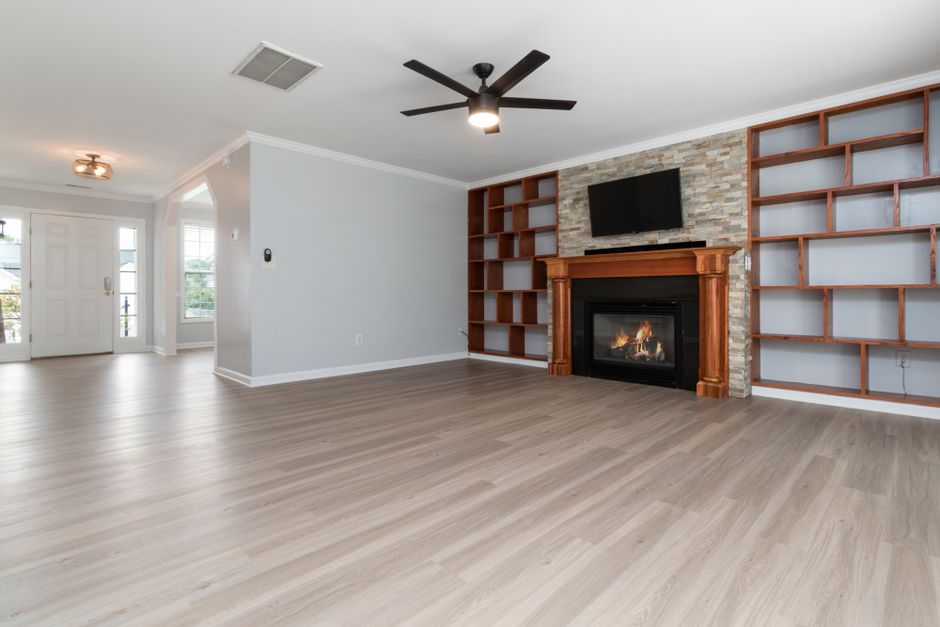
Cost Comparison: Virtual vs. Physical Staging
I despise overly glossy marketing claims that hide the pricing. Let’s be transparent. If you were considering physical staging, you’d be looking at thousands of dollars and at least a week of logistics. Virtual staging is a fraction of that cost.
Staging Method Estimated Cost Typical Turnaround Physical Staging $2,000 - $5,000+ 3 - 7 days AI Auto-Staging $5 - $15 per image 30 seconds - 5 minutes Pro Virtual Staging (e.g., BoxBrownie) $32 - $48 per image 24 - 48 hoursAt $32-48 per image, professional services like BoxBrownie provide a level of consistency that AI cannot currently touch. They understand furniture scale—a vital component. There is nothing more amateur than a sofa that looks like it’s built for a giant or a side table the size of a postage stamp.
The "Reshoot" Factor: Why Bad Photos Ruin Staging
Before you upload anything to a staging platform, you need to be honest: is the source photo actually good? Staging is not a miracle cure for bad photography. If your photo has a bad angle (like shooting from the ceiling or floor) or if the room is dark and cluttered, no amount of AI or editing will fix the structural issues.
Pro-tip: If you aren't sure if the photo is "good enough," look at your lighting. If the light source is behind the windows and the room is pitch black, stop. Go back and reshoot with a https://smoothdecorator.com/will-virtual-staging-help-my-zillow-listing-get-more-clicks/ wider lens during the day. Don't waste your budget trying to stage a room that should have been decluttered and lit properly in the first place.
The Ethics of Virtual Staging: MLS Workflow and Disclosure
We need to talk about the law. Every MLS has different disclosure rules, and frankly, ignoring them is a great way to get a fine or, worse, a lawsuit. If a buyer walks into a property expecting the high-end sectional you virtually placed in the living room and it’s not there, you have a problem.
The Gold Standard of Disclosure
Disclose prominently: Every listing site (Zillow, Redfin, etc.) and your MLS listing description should clearly state that the images have been virtually staged. Show the "Before": If possible, include the empty room photo immediately after the staged photo in the carousel. It builds trust. Stick to reality: Don't virtually renovate the room. Don't remove walls or change floor layouts. Virtual staging should only be about furniture, rugs, and art.Final Verdict: How to Choose Your Staging Turnaround
So, which should you choose? It comes down to your listing timeline.
- Choose 30-Second AI if you are just testing the waters or trying to visualize a color scheme for a client presentation. Choose 24-48 Hour Professional Staging if you are prepping for a high-stakes listing launch. The time invested ensures that the lighting, shadow direction, and furniture proportions are correct, which is exactly what leads to better engagement and faster offers.
In this industry, time is money—literally. You can save $2,400 on physical staging, but don't spend it by cutting corners on the quality of your images. Buyers aren't stupid; they can tell when a photo looks like it was generated by a robot in a dark room. Invest the 48 hours, get the professional edit, and let the results speak for themselves.
Still struggling with rooms that break the AI? Stop trying to fix them, hire a pro, and remember: if the photo is bad, the staging will be, too. Reshoot it!