If you have spent any time reading BUILD Magazine recently, you have likely noticed a recurring theme: the gold rush south of the border. With giants like Ford expanding their manufacturing footprint and Union Pacific reinforcing the rail arteries that connect the Bajío and the northern border states to the U.S., the pressure to move quickly is intense. However, "fast" is a dangerous word in industrial development. When build-review.com I hear developers promise a "lightning-speed turnaround," I stop listening. What matters is the reality of the calendar.
In my twelve years tracking logistics and build-to-suit projects, I have seen too many companies trip over their own shoelaces by rushing the preliminary phases. Whether you are eyeing a site in Querétaro or a greenfield project in the Sonoran desert, you need to understand that the "nearshoring site selection timeline" isn't a suggestion—it is a sequence of non-negotiable hurdles.
The Realistic Timeline: Breaking Down the First 12 Weeks
The biggest mistake I see North American firms make is assuming they can replicate domestic speeds without accounting for the administrative rhythm of Mexico. You are dealing with land tenure, utility capacity (which is currently the biggest bottleneck in the country), and local municipal permitting. Below is the sanity-checked breakdown of what this phase actually looks like.
Phase Duration Key Deliverable Initial Site Selection 2 to 4 weeks Shortlist of 3-5 sites based on power/water/labor. Physical/Legal Due Diligence 4 to 6 weeks Title search, soil testing, and environmental impact study. Utility Capacity Validation 2 to 4 weeks Signed letter of commitment from utility providers.Why "Site Selection 2 to 4 Weeks" is the Gold Standard
If you are spending more than a month selecting a site, you are likely suffering from "analysis paralysis." If you are spending less than two weeks, you aren't doing the work. You need to use proper project management tools—the kind that sync your North American team with local consultants—to manage the data flow. If you aren't using bilingual project documentation, you are setting yourself up for a nightmare during the MEP (Mechanical, Electrical, and Plumbing) fit-out phase. If the drawings aren't clear in both Spanish and English, the translation errors will cost you weeks of rework on the shop floor.
Due Diligence: It’s Not Just About the Land
Performing due diligence for industrial land in Mexico is not just a title search. In regions like Sonora, your engineering requirements change significantly due to the climate and geography. You are not just building a box; you are building a machine that has to survive the local environment.
The "Must-Haves" for Your Industrial Specs:
- Clear Span: Ensure you are getting at least 20-25 meters of clear span. If you are doing high-density logistics, your racking layout will die if you have columns every 12 meters. Eave Height: Do not settle for anything less than 10-12 meters clear. You want the vertical headspace for future-proofing. Cranes: If you are doing heavy manufacturing (like the Tier 1 suppliers feeding Ford’s lines), check the slab thickness for crane load-bearing capacity now. Retrofitting slab thickness after the pour is a multi-million-dollar mistake.
Regional Engineering: The Sonora Challenge
One of the most common oversights I see is firms ignoring regional code requirements. If you are building in Sonora, you are dealing with specific NMX (Normas Mexicanas) standards regarding seismic activity and high-wind loads.
Don't let a contractor tell you they will just "use the US standard." That doesn't fly with the local authorities who sign off on your occupancy permit. You need to ensure your structural engineer of record is fluent in local NMX requirements for steel and concrete. When it comes to the structure itself, the debate between prefab steel and tilt-up concrete is a matter of time versus cost:

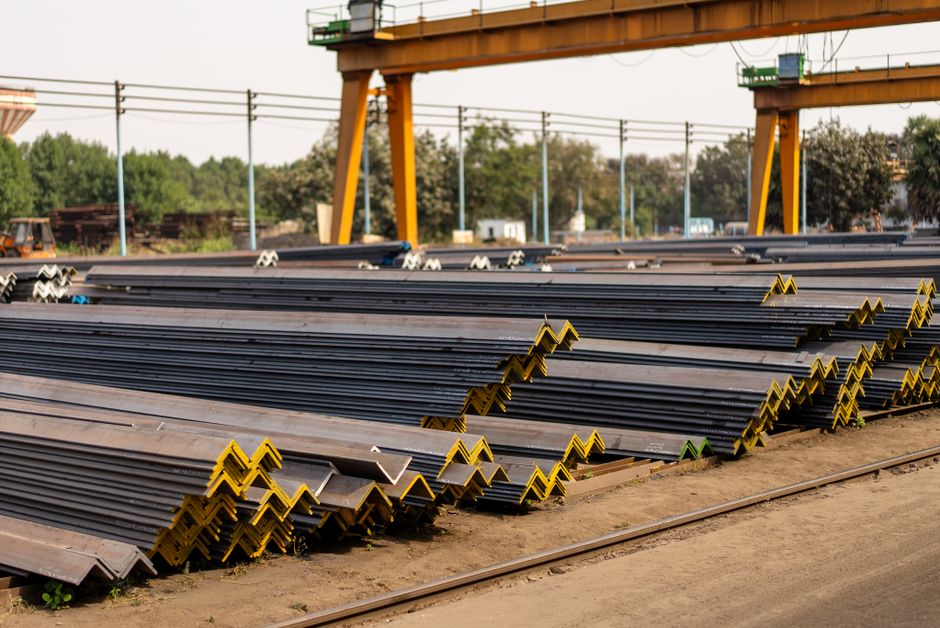
- Prefab Steel: Generally faster to erect. If your timeline is aggressive, steel is your best friend. It allows for a lighter foundation in some soils, but watch out for lead times on steel procurement. Concrete (Tilt-up): Excellent for thermal mass (crucial in the desert) and insurance premiums are often lower due to fire resistance. However, it requires a larger crew on-site and more site prep.
Avoiding the "Corporate Fluff" Trap
Be wary of contractors who use words like "turnkey" without itemizing what is included. I’ve seen contracts that claim to be "turnkey" but leave out the transformer installation or the fire suppression system grid. That is not a project; that is a half-finished job.
When you are vetting a contractor for your project, demand to see their history with local utility connection processes. You can have the most beautiful steel-frame facility in the state, but if the local utility provider hasn't confirmed the 5MW you need for your machinery, you aren't opening the doors.
Final Checklist for Your Due Diligence Phase
Verify Land Tenure: Ensure the land isn't ejido (communal) land unless you have a high-end legal team specialized in land conversion. Stick to private title land to save yourself months of legal gridlock. Utility Load Mapping: Get the actual kilowatt-hour capacity from the grid provider, not just what the developer *says* is available. Bilingual Documentation: Ensure every single permit and MEP drawing is documented in both languages. This is your primary defense against contractor shortcuts. Seismic/Wind Review: Review the project against NMX standards early. If you have to redesign for wind load after the steel is ordered, your project is effectively dead.Nearshoring is a strategic move, not a sprint. If you take the time to conduct thorough due diligence, use standardized project management tracking, and respect the local engineering codes, you will avoid the pitfalls that stall so many cross-border industrial projects. Keep the timeline realistic, keep your documentation bilingual, and for heaven’s sake, make sure the power is actually at the fence line before you break ground.