I’ve spent eleven years in the urban real estate trenches. I’ve seen thousands of listings, and I’ve developed a sixth sense for when an agent is hiding something. You know the ones: the listings that use words like "cozy" to describe a room that’s essentially a closet, or "character" to mask crumbling walkability and property demand crown molding. But lately, there’s a new buzzword creeping into the vernacular of the serious buyer: flexible.
When a buyer tells me a space feels "flexible," they aren’t talking about the yoga studio down the street. They are talking about their survival mechanism in a world where the living room is also a boardroom, a gym, and a movie theater. As someone who has spent years analyzing listing photos—and trust me, if I see more than two shots of a dark, narrow hallway, I’m already suspicious—I can tell you exactly what this means. It’s time to stop selling square footage and start selling the adaptable living spaces that today's buyers are actually hunting for.
The Death of the Static Room
For decades, floor plans were rigid. You had a dining room, a living room, and a bedroom. If you wanted to do something else, you were out of luck. But look at how we live now. We consume content via Instagram reels and Facebook marketplace scrolling, which means we are constantly visually dissecting how other people use their spaces. We see a kitchen island being used as a standing desk, or a bedroom nook converted into a professional podcasting studio.
Buyers today are digital-first. They’ve done the virtual tour, they’ve zoomed in on the listing photos, and they’ve already mentally mapped out their "multifunctional footprint" before they even step through the front door. If your floor plan requires a map to understand, or if every room is strictly defined by its original intent, you’re losing these buyers.
When they say "flexible," they mean: "Can I live here if my life changes?" They are looking for a home that evolves alongside them, not a museum piece that demands they adhere to an architect’s vision from 1995.
"Where Would the Laptop Go?"
I ask this question every time I tour a property with a client. If you can’t answer that question instantly, you don’t have a flexible space. The shift to remote and hybrid work has fundamentally broken the traditional floor plan. Buyers don’t want to be relegated to a windowless corner of a bedroom.
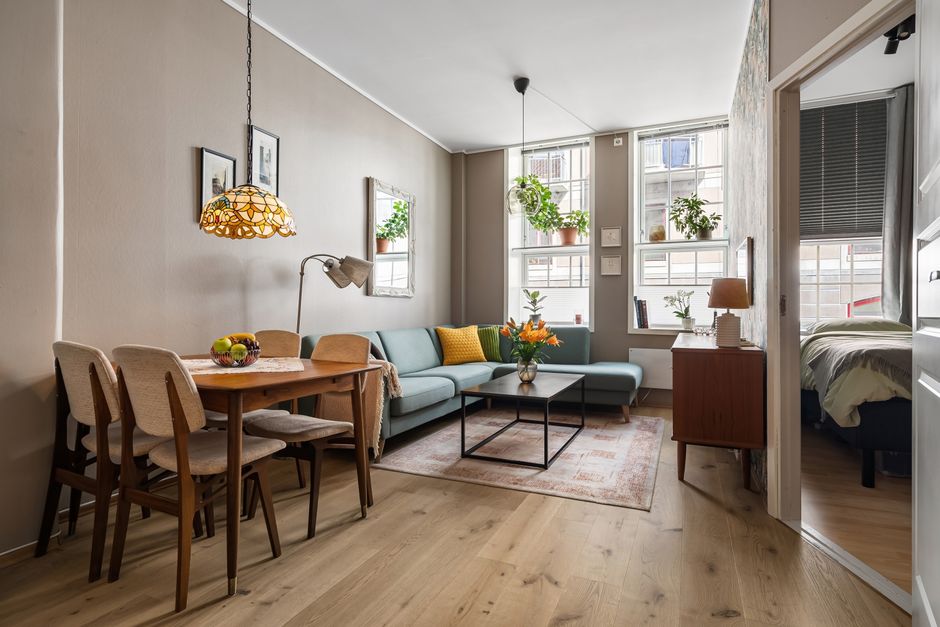
They want a multifunctional footprint. This means:
- Nooks that aren't useless: A recessed area that could be a reading nook or a home office. Connectivity: Walls that don't block light or sound, but offer enough separation to take a Zoom call. Furniture flow: Space that allows for a desk to be tucked away without making the entire living area look like a cubicle farm.
The Loft Advantage: Why Open Layouts Still Win
There is a reason why the loft aesthetic remains the gold standard for "flexible" living. Lofts inherently solve the problem of rigid walls. By utilizing open layout options, they allow the homeowner to define their own boundaries. A massive, sun-drenched industrial space isn't just "big"—it’s a blank canvas.
When I look at a loft, I’m not just looking at the square footage; I’m looking at the light. Light creates zones. A well-lit corner, separated by a rug or a strategically placed bookshelf, becomes a distinct room. This is what buyers mean when they crave flexibility. They want the freedom to shift their environment without needing a sledgehammer and a contractor.
The Comparison: Static vs. Adaptable Living
Feature Static Living Space Adaptable Living Space (Flexible) Layout Fixed-use rooms (Dining, Living, Study) Flowing, open-concept zones Visuals Cluttered with period-specific furniture Clean, minimalist, staging that shows potential Work Potential "Where do I put the monitor?" Clear desk-ready zones in multiple areas Photography Dark hallways and "cozy" (read: tiny) corners Bright, wide-angle shots showing flowHow Sellers Can Capitalize on the Flexibility Narrative
I keep a running note on my phone of small, cost-effective fixes that photograph better than they cost. If you want your home to be perceived as "flexible," you don’t need a massive renovation. You need to curate the narrative.

The Digital-First Trap
I see it every day: an agent posts a beautiful, professional photo of a living room on Instagram, but the rest of the tour is a disaster of blurry, dark hallway shots. In the digital age, a listing is only as strong as its weakest photo. If I see a dark hallway, I assume the home is claustrophobic. If I see a photo that shows a clear flow from the kitchen to the living area, I assume the home is flexible.
When buyers are scrolling, they are looking for reasons to rule your property *out*. Don’t give them one. If you have an adaptable space, show the angles that prove it. Show the wide shot. Show the transition between the office nook and the lounge area.
Final Thoughts: Don't Sell the Square Footage—Sell the Future
The obsession with square footage is a relic of a time when we measured value by how much stuff we could cram into a box. Today, the value is in the adaptable living spaces. A home that can grow, change, and facilitate a modern lifestyle is worth a premium that square footage alone cannot justify.
When you prepare your home for market, ask yourself: Where would the laptop go? If the answer is "on the dining room table, but then I have to move it to eat," you have a problem. But if you have a space that offers room to breathe, work, and pivot, stop burying that lead. Tell the buyer exactly why your home is the one that will keep up with their life.
Stop the fluff. Cut the "cozy" descriptions. Show them the flexibility, and the buyers—and their offers—will follow.