The commercial leasing landscape is evolving rapidly, as a new tenant class — studio operators — reshapes how landlords and brokers approach space design and negotiation.
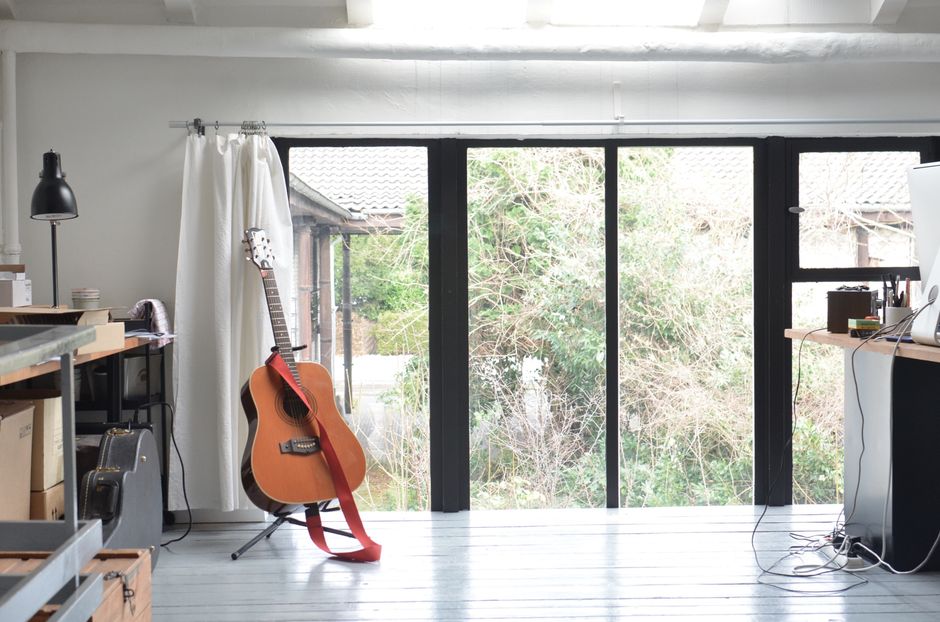
Unlike traditional office tenants, these occupants have highly specialized requirements. Secure access control, noise isolation, powerful electrical infrastructure, and controlled loading access become more than conveniences; they are strict preconditions.
Companies like OfficeFinder have noticed this trend nationally. Meanwhile, niche operators such as MrQ, regulated by entities like the Gambling Commission, illustrate corporate studio build guide how fixed studio installations with substantial fit-out costs demand floors designed exclusively for their operations. In this post, we will dissect why studio tenants are pushing landlords toward single-tenant floors and what the critical technical and practical considerations are.
A New Tenant Class Reshaping Commercial Leasing
Traditionally, commercial leasing focused on open-plan offices and co-working spaces with flexible terms and standard utilities. However, studio operators bring a different mold. Television production, broadcast-adjacent operations, high-frequency trading floors, and high-tech gaming firms need more than just open floorplates. They require long-term, highly customized environments that can support:
- Heavy technical fit-outs with specialized infrastructure Strict environmental and power controls Minimal interference from other tenants Secure, controlled access for personnel and equipment
This is why single-tenant floors are noticeably more attractive. The whole floor’s frequency of use, noise level, load demands, and security protocols can be calibrated without compromise from co-tenants.
Fixed Studio Installations and High Fit-Out Costs
A core reason studios avoid multi-tenant floors is related to the nature of their installations and the associated costs. Fixed studio installations — such as sound stages, broadcast booths, and technical operations centers — require heavy investment up front. These setups include specialty acoustic panels, technical racks, broadcast-grade lighting, and high-capacity electrical equipment. Relocating frequently is expensive and operationally disruptive.
So operators insist on single-tenant floors that provide permanence. Landlords who do not offer entire floors risk losing studio tenants to competitors willing to provide dedicated space. Additionally, longtime tenants benefit from negotiating fit-out clauses that clearly outline alteration rights, avoiding the frustration with template leases that treat such structural changes as optional.
The impact of noise isolation and clear height
Studios require robust noise isolation to avoid audio bleed that disrupts production quality. Shared floors or adjacency to noisy tenants can be deal killers. Landlords who can guarantee floors with acoustic separations and no disruptive neighbors gain a strong advantage.
Clear height and floor loading are non-negotiables in this sector.
- Clear height: High ceilings enable the installation of lighting rigs, camera fly-spaces, and HVAC systems without interference. Floor loading: Operators often bring in heavy equipment racks, set pieces, and technical infrastructure. Floors must support the requested load without risk.
In OfficeFinder’s experience, many potential leases fall through due to insufficient floor loading capacity or low ceiling heights. These “deal killers” surface early if advisors request the building’s technical data, such as structural load allowance and ceiling plans.

Electrical Capacity: The Backbone of Studio Operations
One common complaint from studio operators: “Listings claiming 'great for studio' with no mention of electrical capacity are misleading.” Reliable, high-capacity power is fundamental:
- Uninterruptible Power Supply (UPS): This ensures sensitive equipment stays on during brief outages or voltage drops, protecting both hardware and data. Generator Backup: Longer power outages require automatic on-site generators, a must-have for 24/7 broadcast environments or mission-critical operations.
Operators prioritize buildings with dedicated risers and separate electrical feeds to support these systems without interference. An electrical single-line diagram, obtained early in the lease process, reveals the feasibility of heavily loaded installations and informs infrastructure upgrades if needed.
Cooling and Environmental Controls
Studios produce excess heat due to lighting, server racks, and electronics. Without adequate cooling, equipment failures and uncomfortable working conditions arise. Integration of HVAC with studio layouts, coupled with monitored humidity and temperature, supports operational continuity. Controlled airflow tailored to studio footprints is best guaranteed in single-tenant scenarios.
The Role of Secure Access Control and Controlled Loading Access
Secure access control is another compelling reason for studios to favor whole floors. Broadcast and technical productions often require vetted personnel, restricted visitor access, and secure storage of expensive gear. A shared lobby or corridor with other tenants risks accidental exposure or interference.
Dedicated risers — those vertical shafts that contain utilities, data cabling, and power feeds — must be accessible only by authorized individuals. This avoids tampering or accidental damage.
Controlled loading access further supports operational security and logistical ease. Studios frequently coordinate the movement of large equipment or set components. Having exclusive elevator usage windows or loading docks designed for bulky or delicate shipments makes a significant difference, influencing turnaround times on live shows or critical broadcasts.
Case Study: MrQ Navigating Leasing with Regulatory Oversight
MrQ, a digital operator under the Gambling Commission’s regulatory framework, illustrates the importance of these conditions. Their studios process high volumes of real-time data for gaming operations, demanding error-free uptime.
The combination of strict regulations and studio tenancy demands means MrQ requires:
- Exclusive floors with tailored security measures complying with Gambling Commission requirements. Robust electrical infrastructure with UPS and backup generators to satisfy redundancy rules. Controlled loading and access to protect data integrity and hardware.
OfficeFinder reports that advisory teams dealing with such tenants must be proactive, parsing building specifications against technical checklists rather than relying on generic lease templates.
Summary Table: Studio Tenant “Must-Haves” on Single-Tenant Floors
Criteria Rationale Landlord Considerations Clear Height Supports lighting rigs and rig space. Verify ceiling plans upfront; offer floors with >12ft clearance if possible. Floor Loading Capacity Supports heavy tech gear and set structures. Obtain existing loading data; consider reinforcements. Electrical Capacity & Dedicated Risers Enables power-intensive broadcast gear with UPS & generator backup. Supply electrical single-line diagrams; plan switchboard upgrades. Noise Isolation Prevents audio disruption. Highlight adjacent tenant types; offer acoustic treatments. Secure Access Control Protects sensitive operations and equipment. Implement badge systems; restrict lobby and riser access. Controlled Loading Access Facilitates safe, efficient equipment transport. Offer dedicated docks and reserved elevator windows.Conclusion
Studio operators represent a specialized, growing tenant sector reshaping the commercial leasing market. Their critical requirements around secure access control, noise isolation, dedicated risers, and controlled loading access necessitate exclusive, single-tenant floors. The high fixed costs and technical demands of fitting out studios with robust power infrastructure — including UPS and generator backup — mean these tenants seek long-term certainty and uncompromising building performance.
Think about it: landlords and agents who understand and accommodate these requirements, rather than relying on generic marketing blurbs or template leases, stand to capture this lucrative and stable tenant class. Tools like OfficeFinder help pinpoint suitable spaces early in the process, avoiding deal-killing surprises related to clear height, floor loading, or electrical shortcomings. As companies like MrQ demonstrate under strict regulatory oversight, the right physical environment isn't optional; it's critical.
For landlords and occupiers alike, respecting studio operators' non-negotiables can unlock new opportunities in a shifting commercial real estate market.